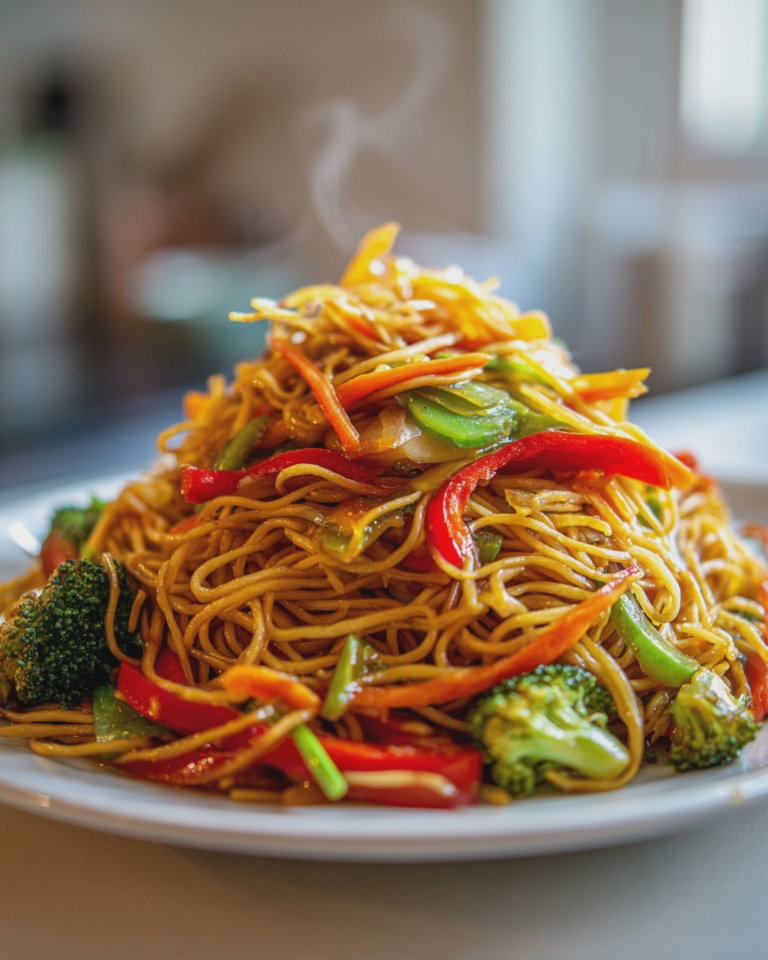
Tuesday nights in my apartment often involve a craving for takeout, especially after a long day. But sometimes, what arrives isn’t quite what I had in mind. The noodles can be a little greasy, or the vegetables a bit limp. That’s when I started experimenting with making my own versions of restaurant favorites, finding that many are simpler than they seem.
This easy chow mein recipe came about because I wanted something fresh, with crisp vegetables and a sauce I could control. The process is straightforward, mostly involving chopping and then a quick stir-fry. It means I can have dinner ready in about the same time it would take for delivery, and I know exactly what went into it.
There is a certain satisfaction in pulling together a dish like this at home. It’s a different experience from opening a carton, and I find the flavors are often brighter. Plus, it’s a good way to use up whatever vegetables are in the fridge.
Pantry Staples
You’ll need a good quality soy sauce; I usually have Kikkoman on hand. Oyster sauce adds a depth of savory sweetness. Sesame oil brings its distinct nutty aroma, and fresh ginger and garlic are essential for building the base flavor.
Fresh Produce
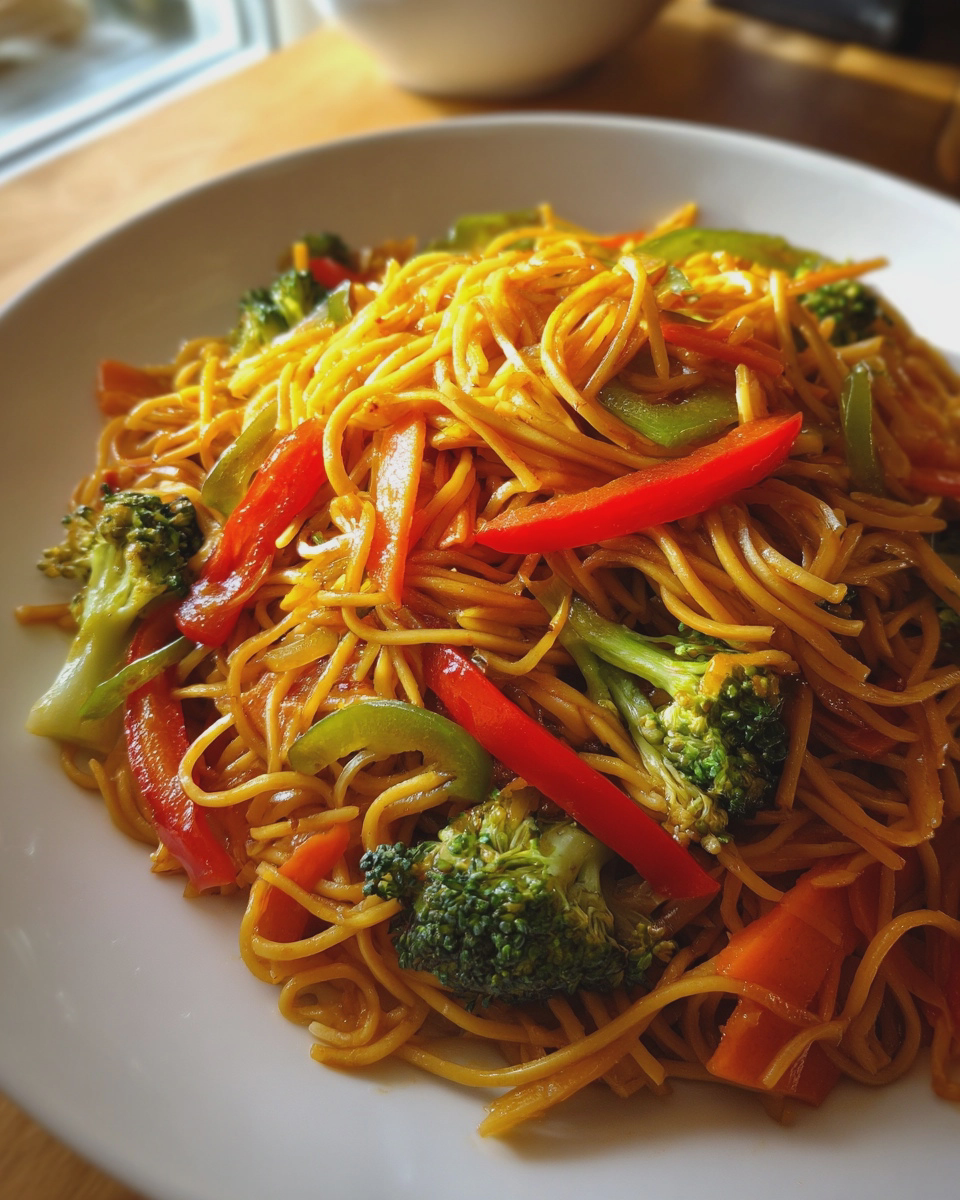
Bell peppers, broccoli florets, and shredded carrots add color and texture. Green onions are stirred in at the end for a fresh, mild onion bite. Feel free to adjust these based on what you have.
The Noodles
The foundation of this dish is cooked chow mein noodles. I’ve found that using the fresh, pre-cooked noodles from the refrigerated section of most Asian markets works best. Dried chow mein noodles can be a bit tricky; I once overcooked them, and they turned into a clumpy mess.
Prepare the Vegetables
First, get your large skillet or wok hot over medium-high heat. Add the olive oil. Once shimmering, toss in your thinly sliced bell peppers, broccoli florets, and shredded carrots. Stir-fry these for about three to five minutes. You want them to be tender-crisp, still holding a bit of their bite.
Combine the Sauce
Next, add the sliced green onions to the pan. Immediately follow with the soy sauce, oyster sauce, sesame oil, grated fresh ginger, and minced garlic. Stir everything together well, making sure the aromatics are distributed throughout the vegetables. This liquid will start to bubble and reduce slightly.
Incorporate the Noodles
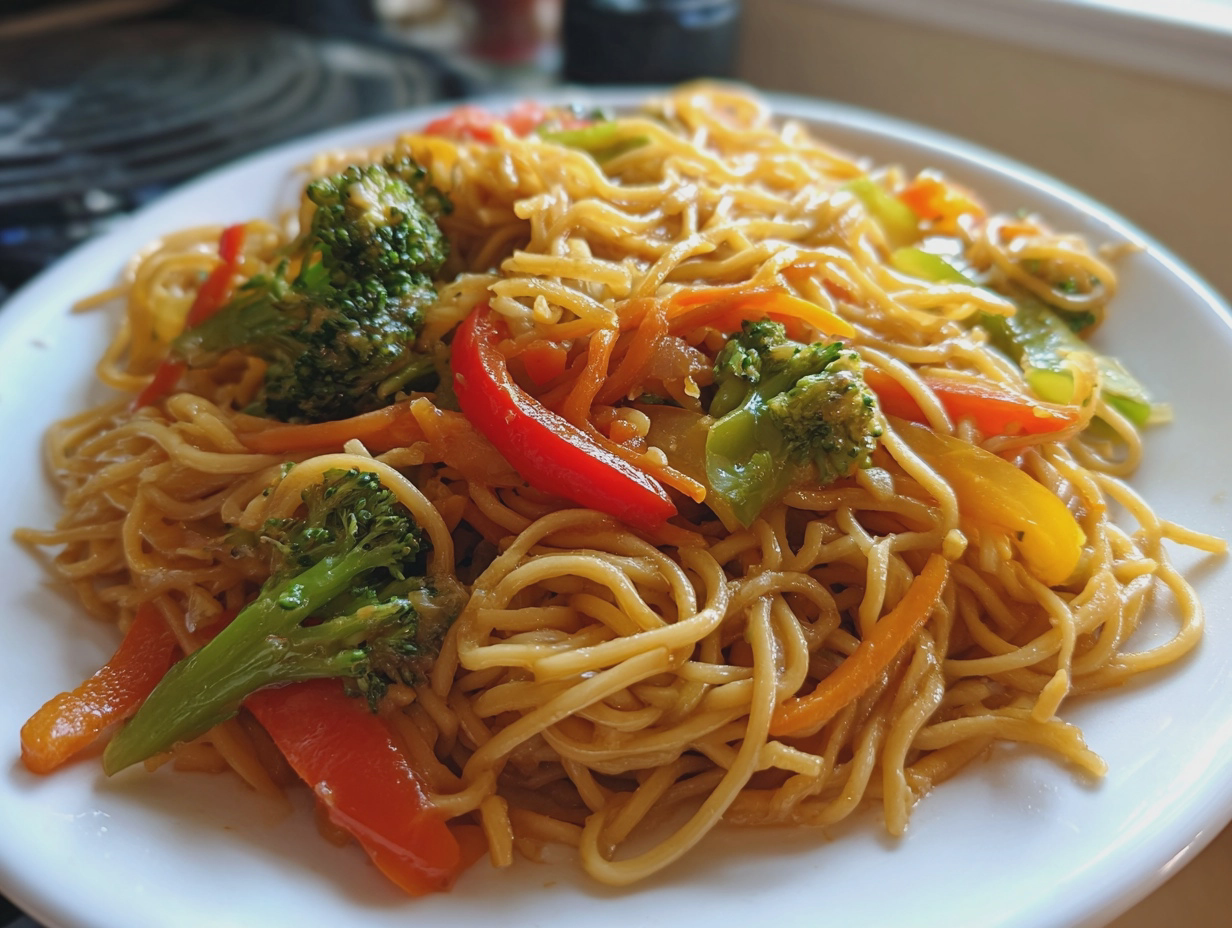
Now, add your cooked chow mein noodles directly into the skillet with the vegetables and sauce. Use tongs to toss everything. The goal here is to coat every strand of noodle evenly with the sauce and integrate the vegetables. Take your time to ensure the sauce penetrates the noodles.
Final Sauté and Serve
Continue to cook for another two to three minutes, keeping the noodles moving with your tongs. This allows the sauce to thicken slightly and the noodles to heat through completely. Once everything is hot and well-combined, serve your homemade noodles immediately. A Lodge cast iron skillet works well for this.
Notes From My Kitchen
One thing I’ve learned about stir-fries, and this easy chow mein recipe is no exception, is that preparation is key. Having all your vegetables chopped and your sauce mixed before you even turn on the stove makes the cooking process smooth. Otherwise, you end up scrambling, and things can burn quickly.
Nonna Rosa always said to taste as you go, even with dishes far from her Sicilian roots. This applies here; adjust the soy sauce or oyster sauce to your preference. Sometimes I add a splash of rice vinegar for a little tang, especially if I’m skipping a protein.
For serving, a sprinkle of toasted sesame seeds adds a nice finish. This dish also works well with a side of steamed edamame or some simple pan-fried tofu if you want to add more protein. It’s quite versatile.
Variations
You can easily adapt this chow mein to what you have on hand. For a protein boost, add cooked chicken, shrimp, or thinly sliced beef during the last few minutes of stir-frying, after the vegetables are tender-crisp. If you prefer a vegetarian version, pan-fried tofu or tempeh cubes work well. Consider adding other vegetables like snow peas, sliced mushrooms, or bok choy; just be mindful of their cooking times.
For a gluten-free option, use tamari instead of soy sauce and ensure your noodles are rice-based or specifically labeled gluten-free. A few drops of chili oil can introduce a pleasant heat if you like a bit of spice.
Storage
Leftover chow mein keeps well in an airtight container in the refrigerator for up to three days. When reheating, I usually opt for a quick sauté in a skillet with a tiny splash of water or broth to loosen the noodles and prevent them from drying out. The microwave works in a pinch, but the noodles can sometimes get a bit soft. I find the texture is best if reheated only once.
FAQ
Can I use different vegetables?
Certainly. This recipe is quite flexible. Feel free to substitute with whatever fresh vegetables you have on hand. Snap peas, sliced cabbage, water chestnuts, or even thinly sliced mushrooms would all work well. Just be mindful of their cooking times.
How do I make this spicier?
To add some heat, a few dashes of sriracha or a teaspoon of chili garlic sauce stirred into the sauce mixture can do the trick. For a more intense spice, add a pinch of red pepper flakes with the vegetables, allowing them to bloom in the hot oil.
Nutritional Information
The nutritional estimates for this easy chow mein recipe are based on standard ingredient values and are for one serving. Each portion contains around 350 calories, with 10g of fat and 55g of carbohydrates. Sodium content is about 1200mg. These figures can vary depending on the specific brands of soy sauce or noodles you choose, and whether you add any protein. This was calculated on a sunny day in Silver Lake last week. For more recipe ideas, check out our Pinterest.
Print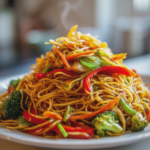
Homemade Chow Mein (40 Minutes)
- Total Time: 25 minutes
- Yield: 4 servings
Description
This recipe provides a simple method for making chow mein noodles at home.
Ingredients
- 1 lb cooked chow mein noodles
- 1 tbsp olive oil
- 1 red bell pepper, thinly sliced
- 1 yellow bell pepper, thinly sliced
- 1 cup chopped broccoli florets
- 1 cup shredded carrots
- 1/2 cup sliced green onions
- 1/4 cup soy sauce
- 2 tbsp oyster sauce
- 1 tbsp sesame oil
- 1 tsp grated fresh ginger
- 1 tsp minced garlic
Instructions
- Heat olive oil in a large skillet or wok over medium-high heat.
- Add bell peppers, broccoli, and carrots to the skillet. Stir-fry for 3-5 minutes until vegetables are tender-crisp.
- Add green onions, soy sauce, oyster sauce, sesame oil, ginger, and garlic to the skillet. Stir to combine.
- Add cooked chow mein noodles to the skillet. Toss to coat the noodles evenly with the sauce and vegetables.
- Cook for another 2-3 minutes, stirring frequently, until the noodles are heated through and the sauce has thickened slightly.
- Serve immediately.
Notes
- Adjust the amount of soy sauce and oyster sauce to your taste.
- For a spicier version, add a pinch of red pepper flakes.
- You can add cooked protein like chicken, beef, or shrimp to this recipe.
- Prep Time: 15 minutes
- Cook Time: 10 minutes
- Category: Main Course
- Method: Stir-fry
- Cuisine: Asian